Port electrification and grid infrastructure
As ports electrify vessels, equipment and logistics operations, they become increasingly dependent on electricity.
Introduction
Value proposition
Energy resilience
System efficiency
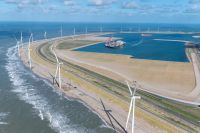
Ports are increasingly evolving into integrated energy hubs that combine renewable energy generation, electrified operations, energy storage and smart energy management. Local renewable energy sources, such as wind and solar power, can directly supply port activities, reduce dependency on external energy markets and support port decarbonisation. By coordinating local energy production and consumption, ports can improve energy resilience and system efficiency.
Port applicability
Groups of innovations
Renewable electricity generation (wind and solar)
Ports can generate renewable electricity through onshore wind turbines, solar photovoltaic (PV) systems on rooftops, warehouses, parking areas and unused land, or through connections to nearby renewable energy assets. Local renewable generation can support electrified port operations, reduce dependency on externally supplied electricity, and contribute to decarbonisation objectives.
Port grid infrastructure and substations
As electricity demand increases, due to electrification, ports require robust grid infrastructure, including substations, transformers, switchgear, distribution networks and grid connection upgrades. Reinforcement of electrical infrastructure enables the integration of new loads such as shore power, electric cargo handling equipment, charging stations and industrial electrification projects.
Shore power integration
Shore power systems allow vessels to connect to the onshore electricity grid while at berth, reducing emissions, noise and fuel consumption during port stays, but resulting in more peak demand periods. Integrating shore power within the broader port electricity system can improve utilisation of locally generated renewable energy and support compliance with increasingly stringent environmental regulations. The MAGPIE shore power and peak-shaving demonstrators demonstrated how electricity demand from shore power can be integrated with renewable generation, battery storage and energy management systems.
MAGPIE Shore power peak-shaving demoBattery energy storage systems
Battery Energy Storage Systems (BESS) can store locally generated renewable electricity, reduce peak grid demand and provide flexibility services. Batteries can increase self-consumption of renewable energy, mitigate grid congestion and support operational reliability during periods of high electricity demand. The MAGPIE peak-shaving demonstrator showed how battery systems can reduce peak demand, increase infrastructure utilisation and improve the business case for electrification.
MAGPIE Shore power peak-shaving demoSmart energy management systems
Digital energy management platforms use monitoring, forecasting and optimisation algorithms to coordinate electricity generation, consumption, storage and charging activities. These systems can support demand response, congestion management and more efficient use of existing electricity infrastructure. The Smart Energy Systems Simulator developed within MAGPIE supports the assessment of flexibility needs, congestion risks and infrastructure planning options.
MAGPIE Smart Energy SimulatorIntegrated port energy hubs
The most advanced solution is the development of integrated port energy hubs that combine renewable generation, grid infrastructure (both electricity as other energy carriers, like hydrogen), energy storage, shore power, charging infrastructure and digital energy management into a coordinated energy system. Such energy hubs improve resilience, enhance operational flexibility and enable ports to accommodate future electrification growth while reducing pressure on the wider electricity network.
Impact
| Impact | Level | Remark |
|---|---|---|
| GHG (Tank-To-Wake) | Large impact | Supports electrified operations and reduced fossil fuel use |
| GHG (Well-To-Wake) | Very large impact | Renewable electricity replaces fossil-based generation. The impact depends on the type of energy source used. |
| Air pollutants | Large impact | Improves local air quality through electrification. |
| Fossil energy consumption | Large impact | Reduces dependency on fossil electricity generation. |
| Digital port ecosystem | Medium impact | Requires forecasting and energy management systems |
| International cooperation | Limited impact | Supports participation in international green shipping and energy transition initiatives. |
orts electrified operations and reduced fossil fuel use.
Port characteristics
How to implement?
- Step 1
Assess demand, renewable potential and grid capacity
- Step 2
Pilot generation, storage and monitoring
- Step 3
Integrate grid, shore power and flexibility
- Step 4
Operate and integrated port energy hub
Timeline
.png/a1a69932d68aded1d7683f284c8ba8cb/port-electrification-and-grid-infrastructure-timeline-(1).png)
What should a port do in the next 3 years?
Investment overview
Stakeholder overview
-(1).png/b8727d4ee3f82ef2314e4b80ec0f18c4/port-electrification-and-grid-infrastructure-stakeholder-overview-(1)-(1).png)
Knowledge base
- MAGPIE Shore-power peak shaving: /products/shore-power-peak-shaving (opens in new tab)
- 2. Port of Rotterdam Shore Power Strategy 2025–2035: shore-power-strategy-2025-2035.pdf (opens in new tab)
- MAGPIE GHG tool: /products/tool-greenhouse-gas-tool (opens in new tab)